During 2025, the Andean Foundation strengthened the implementation of its institutional strategy, focused on ecosystem restoration, biodiversity conservation, and the educational empowerment of Indigenous and rural communities in the Andean region and the Colombian Caribbean coast.
During this period, the organization consolidated international cooperation alliances with environmental and academic organizations committed to the protection of strategic ecosystems and climate action, establishing technical and financial collaborations with initiatives driven by international community conservation networks. At the national level, collaboration was strengthened with regional environmental authorities, universities, community organizations, and local governments.
Within this framework of cooperation, the Andean Foundation advanced the development of comprehensive processes that connect environmental conservation with the social and cultural well-being of the territories. Biodiversity Conservation in Indigenous Territories
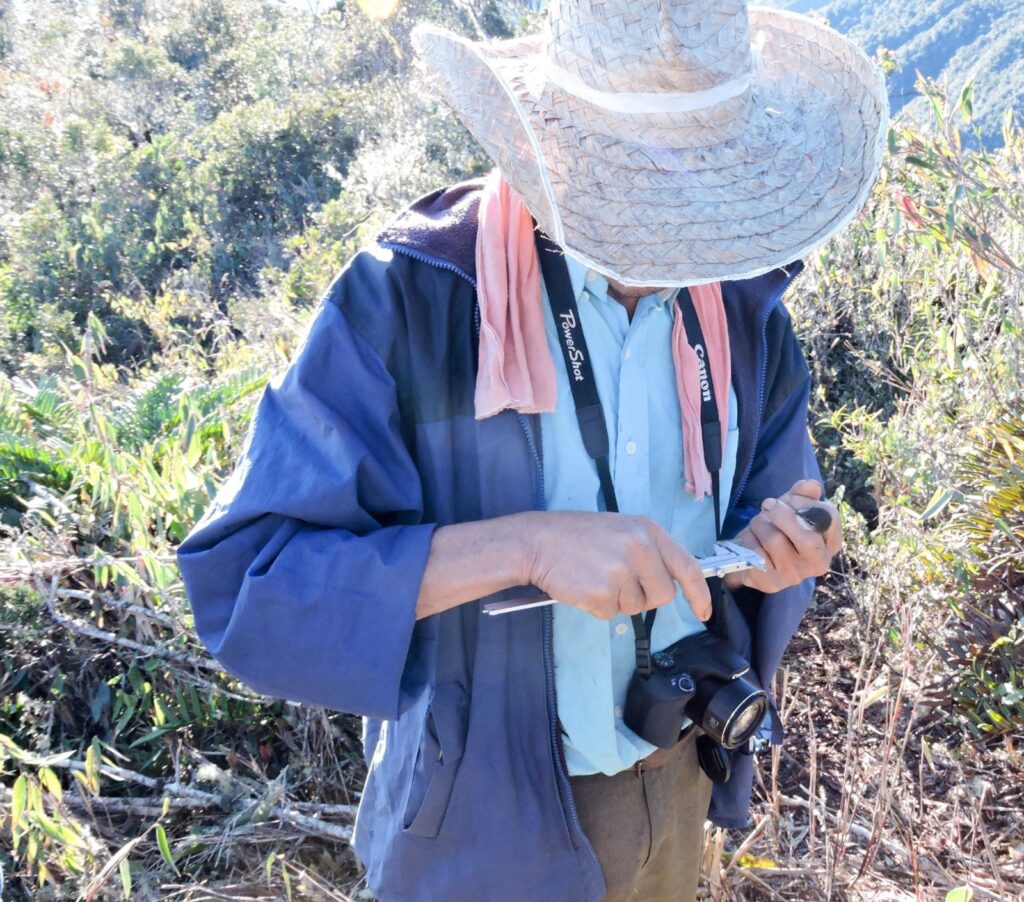
Participatory conservation actions were implemented in Indigenous communities of the Andes Mountains and the Caribbean coast, promoting community monitoring of priority species and the protection of high Andean forest, tropical dry forest, and coastal mangrove ecosystems. These actions strengthened the role of communities as guardians of their territory, integrating ancestral knowledge with scientific tools for the sustainable management of biodiversity.
Ecosystem Restoration and Recovery of Degraded Landscapes
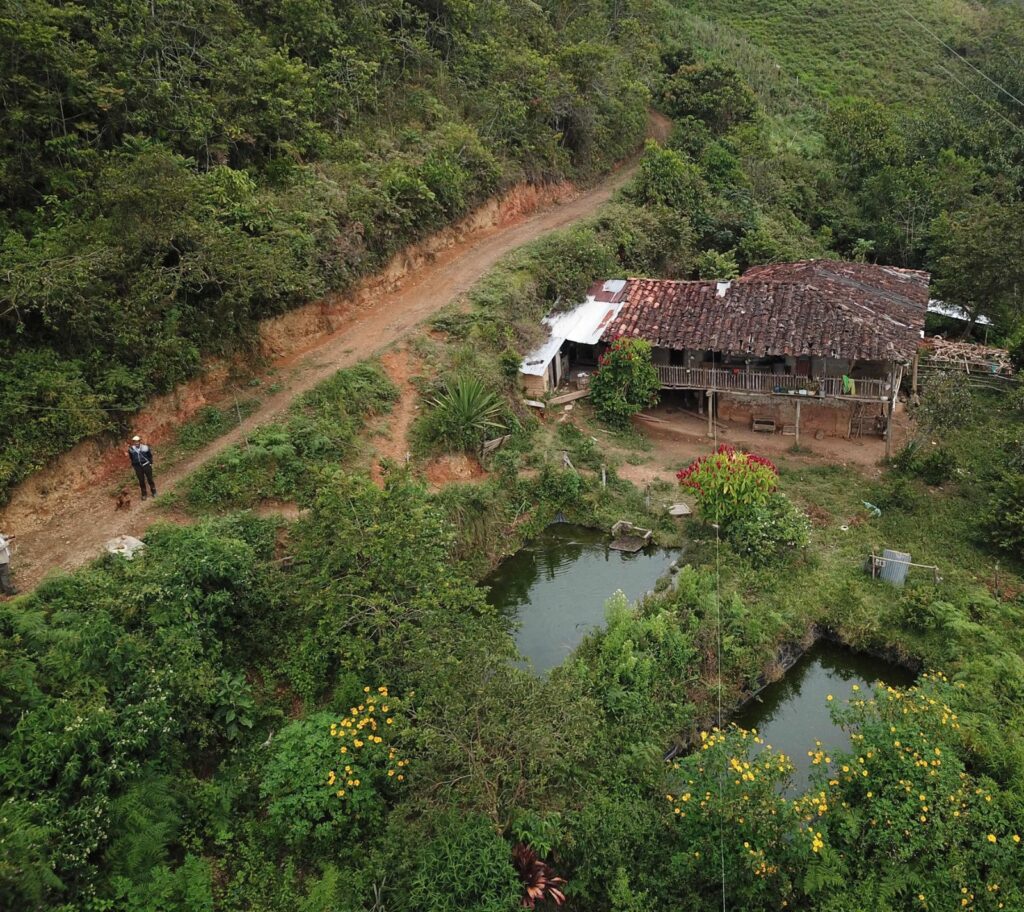
The Andean Foundation led ecological restoration processes by recovering areas affected by deforestation and environmental degradation, including the implementation of community nurseries, the planting of native species, and the establishment of ecological corridors that promote biological connectivity between strategic mountain ecosystems and coastal areas.
Environmental Education and Community Strengthening
Environmental education and community development programs were consolidated for children, youth, Indigenous women, and community leaders, with the aim of promoting nature conservation, climate change adaptation, and the development of sustainable economies. These educational processes incorporated intercultural methodologies that recognize traditional knowledge as a fundamental pillar of learning.