The relationship of Indigenous peoples with the forests they inhabit is not only about the use of natural resources, but primarily about the exercise of a series of fundamental rights for their survival. Since the forest is the habitat where Indigenous peoples live and thrive, its conservation entails the protection of their rights to life, food security, health, culture, and others.
Therefore, it is essential that Indigenous peoples have legal and technical tools to conserve and sustainably use their forests and thus defend their collective rights as Indigenous peoples.
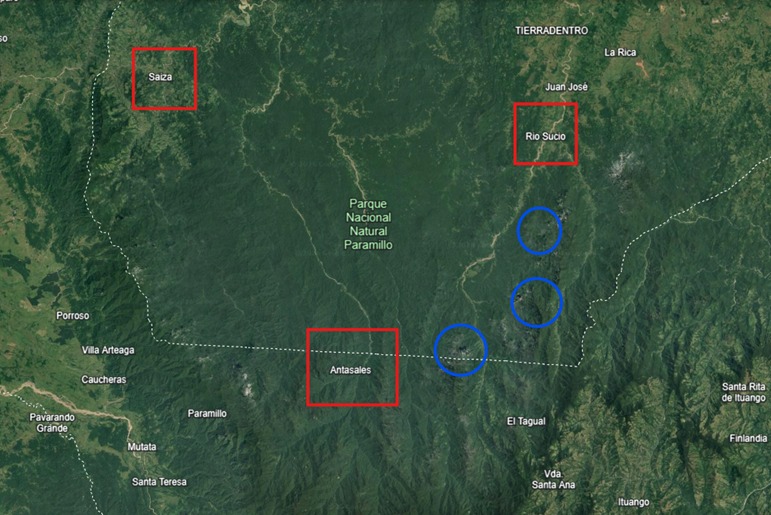
The protection of forests in Indigenous territories requires not only environmental conservation actions, but also organizational and technical processes that allow the community to exercise effective control over its environment. In regions of high biodiversity such as the Paramillo Massif, where strategic ecosystems, water sources, and ancestral reserves converge, the threats arising from indiscriminate logging, illegal mining, and unauthorized occupation of the territory have highlighted the need to strengthen community-based mechanisms for forest monitoring and environmental governance.
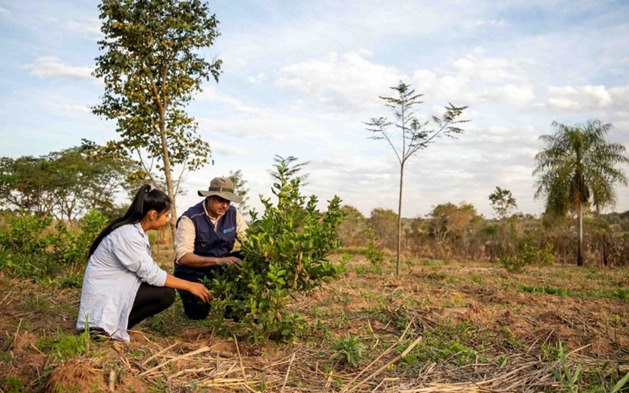
This preliminary study aims to document the Andean Foundation’s experience supporting Indigenous communities in Colombia, particularly in ecological restoration processes and participatory forest monitoring. Following methodological approaches similar to those used in comprehensive community-based forest monitoring plans, where local participation, organizational structuring, and the use of technical tools are central, this document presents a specific case study of an intervention carried out in the area of influence of the Paramillo Massif.
More than a compilation of activities, this study seeks to demonstrate the Andean Foundation’s institutional capacity to integrate technical knowledge, monitoring technology, and community wisdom, showing that sustainable forest monitoring is viable when consolidated as a collective process supported by clear methodologies, permanent organizational structures, and academic and institutional partnerships that ensure continuity and territorial legitimacy.